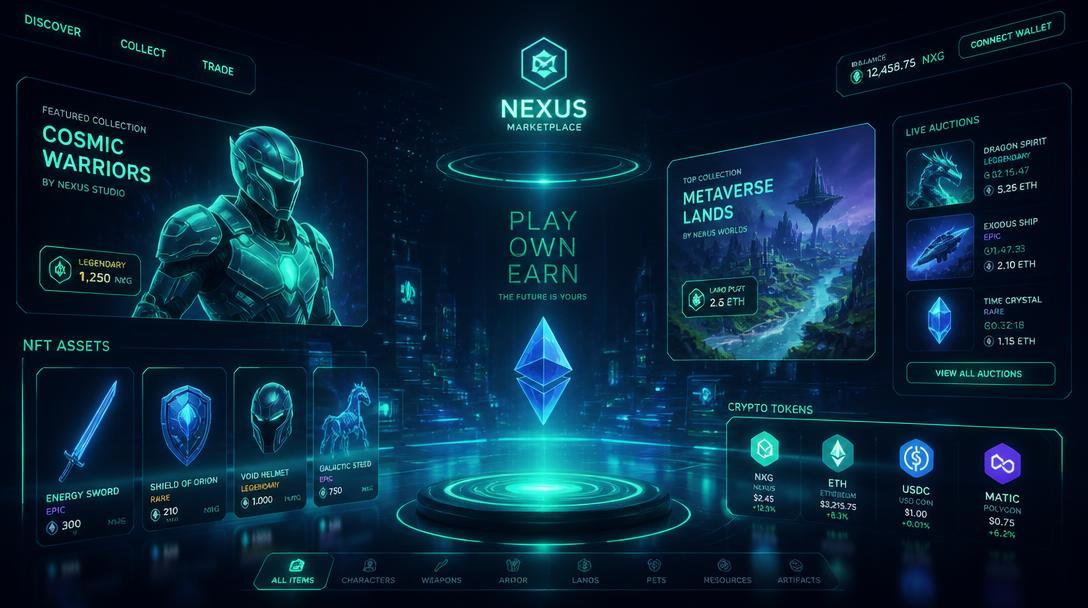
July 18, 20266 min read
The Future of GameFi
How the convergence of games, decentralized finance, and digital shopping is creating new economies where players own, trade, and earn real value.
GameFiDeFiTrends
Read article
Insights on the future of gaming, ownership, token economies, and virtual commerce.
How the convergence of games, decentralized finance, and digital shopping is creating new economies where players own, trade, and earn real value.
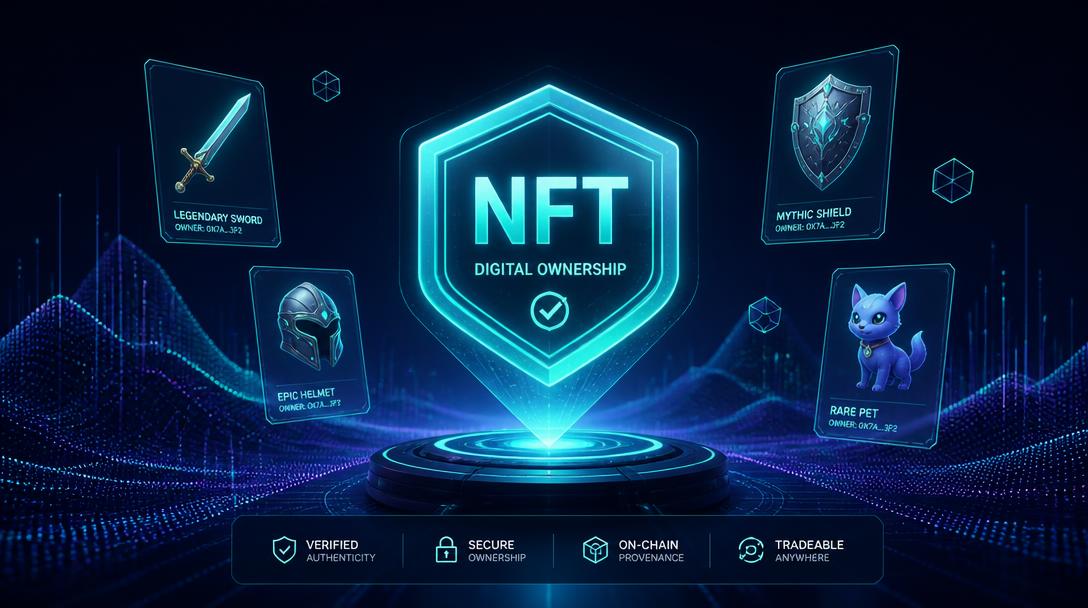
Traditional games keep your items locked on company servers. NFTs give players verifiable ownership that survives server shutdowns and publisher decisions.
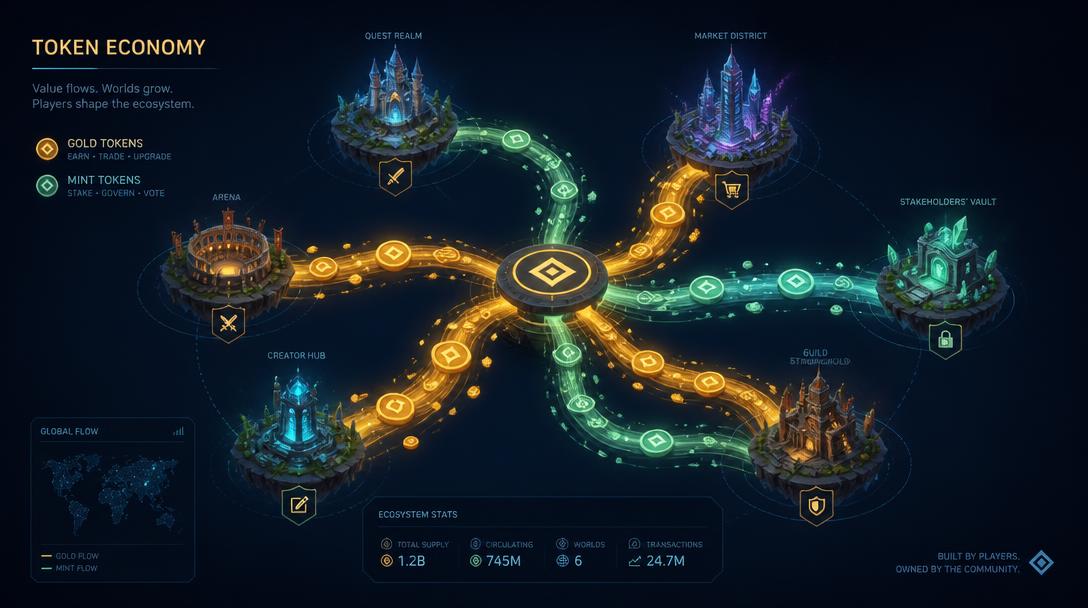
Sustainable token economies balance rewards, sinks, and governance so that players stay engaged without crashing the market.
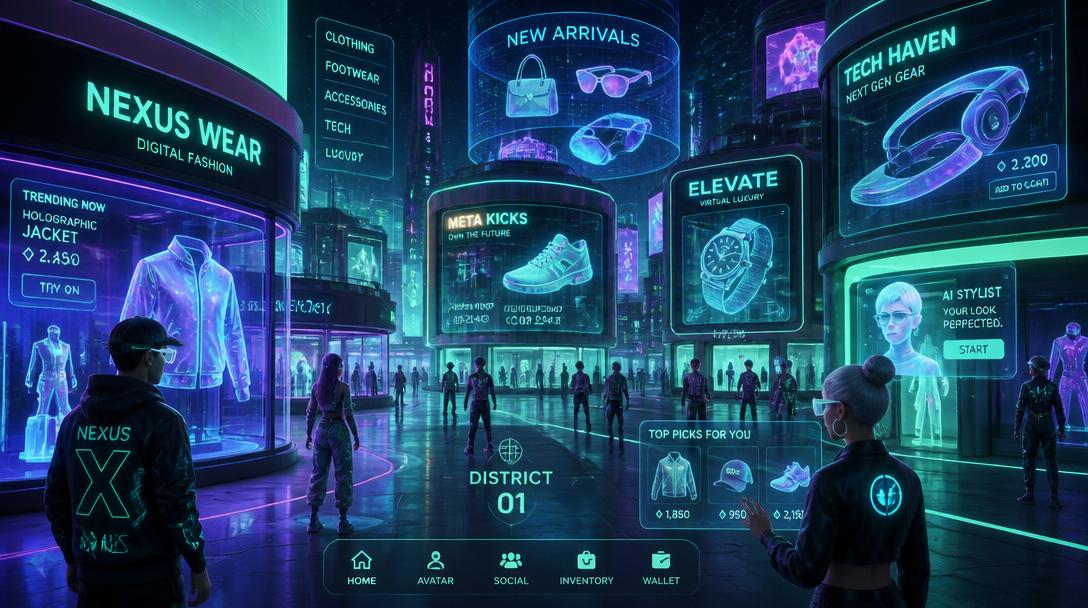
Forward-thinking brands are turning virtual worlds into storefronts, offering digital collectibles, loyalty rewards, and exclusive experiences.

The Metaverse of Things fuses IoT sensor networks with persistent virtual worlds, letting physical devices and digital spaces share one live state.

A digital twin is more than a 3D model. It is a live, queryable, historically accurate mirror of a physical asset, and it is what makes the Metaverse of Things usable.

When a sensor, vehicle, or machine is represented by a token, ownership, revenue rights, and access control become programmable.

Augmented reality turns every physical surface into a potential storefront, and MoT gives those surfaces live data to sell with.
Sensor-instrumented goods plus an immutable ledger turn supply chain claims from marketing copy into auditable fact.
When devices hold wallets, they can pay each other for energy, bandwidth, and compute without a human approving each transaction.
Without shared standards for identity, geometry, and telemetry, the Metaverse of Things becomes a set of walled gardens with better graphics.
MoT multiplies the attack surface: physical devices, spatial data, and biometric interaction signals all become targets at once.
Municipal MoT deployments turn traffic, energy, and air quality data into environments citizens can inspect, question, and participate in.
A pragmatic sequence for teams moving from an IoT dashboard to a working Metaverse of Things deployment, without boiling the ocean.

Liquidity is easy to fake and hard to earn. What separates a game marketplace players return to from one they abandon after a single trade.

Seed phrases lose players at the door. How embedded wallets, sponsored transactions, and progressive custody make ownership invisible.

Merchant rewards fail when they sit beside the game instead of within it. What it takes to make a brand partnership feel like content.
Carrying a sword between worlds sounds simple until you consider balance, art pipelines, and who pays for support. A realistic look at what transfers.
Consumer law is arriving in virtual economies. The studios that prepare now will treat compliance as a feature rather than a fire drill.
Trading volume flatters and misleads. The metrics that actually predict whether a game economy survives its second year.